Middle East
Houthis seize Red Sea ports as Yemen conflict escalates
Houthis capture Mokha, Dhubab and Perim, intensifying conflict with Saudi-aligned forces. UN warns of rising civilian casualties. Saudi Arabia seeks to reposition militarily without full-scale war. Pakistan and UAE roles remain unclear. Conflict risks internationalising further.
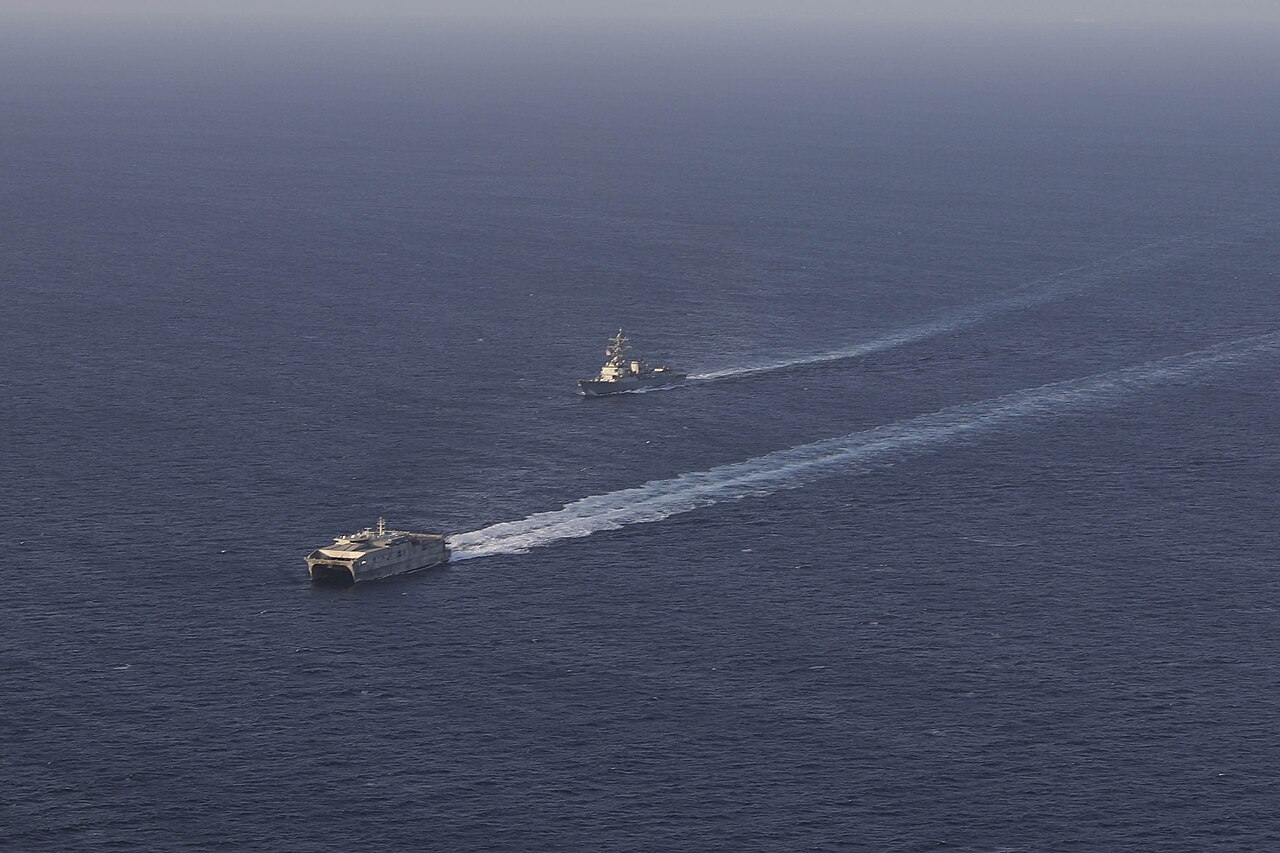

Fighting between the Houthi militia and Yemen's internationally recognized government has intensified this week as the Iran-backed group seized key Red Sea ports and exchanged missile and drone attacks with Saudi Arabia. According to Yemeni government sources, the Houthis captured the port city of Mokha and the town of Dhubab by Friday, with control of the island of Perim also reported. These locations are strategically located near the Bab el-Mandeb Strait, a critical maritime route connecting the Red Sea to the Gulf of Aden.
The conflict has spilled into Saudi Arabia, where the Houthis launched dozens of ballistic missiles and drones at four cities. Saudi Arabia responded with airstrikes across four Yemeni provinces. Farea Al-Muslimi, a Yemen researcher at Chatham House, told DW that the situation represents a full-scale war, though it has not yet been officially named. The escalation, which began in July, ended a period of relative calm after years of war, following a UN-brokered truce in 2022 that left the country de facto split.
The Houthis now control much of the western coastal stretch, including Mokha, Dhubab and Perim, while the internationally recognized government, based in Aden, remains fragmented. Elham Manea, from the University of Zurich, noted that the Houthi movement is militarily and institutionally stronger than before, while the government-aligned forces remain divided. Saudi Arabia has shifted its approach, providing greater military, technical and logistical support to the internationally recognized government, though it appears to be seeking to change the military balance rather than initiate full-scale war.
The UN has warned of a rising humanitarian toll, with the World Health Organization reporting nearly 200 deaths and the International Organization for Migration (IOM) noting around 18,500 people displaced. Hans Grundberg, the UN envoy to Yemen, described the return to war as a 'harsh reality.' Niku Jafarnia of Human Rights Watch emphasized the risk of repeating the devastating civilian casualty events of the earlier years of the war.
The role of Pakistan remains unclear, with Pakistani officials stating no direct involvement. The article by Al Jazeera suggests that the Houthi offensive may have unintended consequences, potentially drawing Saudi Arabia and Egypt closer to the US and creating new forms of coordination with Israel. While this could be a silver lining for the Trump administration, it risks further internationalising a conflict that can ultimately be resolved only through an inclusive Yemeni political process. The 2022 ceasefire, though not a mistake, was misinterpreted as progress, allowing the Houthis to rearm and prepare for renewed conflict.